
Weather Wonders: How Climate Conditions Impact Your Home Inspections


Overview
Weather significantly affects home inspections, influencing the discovery of issues based on seasonal conditions. Key factors include seasonal challenges, precipitation effects, and temperature fluctuations. Homeowners should schedule inspections wisely, perform seasonal maintenance, and address existing issues to ensure thorough evaluations and protect their investments. Choosing a knowledgeable inspector familiar with local weather-related concerns is crucial for a successful inspection experience.
Contents
When it comes to purchasing or selling a home, one of the essential steps you'll encounter is a home inspection. While most homeowners understand the importance of having a qualified home inspector assess the condition of a property, not everyone considers the profound impact that weather can have on the home inspections process. Understanding how different weather conditions influence potential findings can save you time, money, and stress. Let's delve into how weather affects your home inspection and what you can do about it.
The Role of Weather in Home Inspections
The effectiveness of a property inspection can vary dramatically based on the weather at the time of the assessment. Here are some key points to consider:
Seasonal Considerations: Different seasons bring unique challenges. For example, winter can cover up critical structural issues with snow, while the summer heat can lead to specific material expansions.
Precipitation Effects: Rain and snow can exacerbate moisture issues, which are significant indicators of potential mold growth, water damage, or structural strain.
Temperature Fluctuations: Extreme temperatures can lead to the contraction and expansion of materials, potentially revealing cracks or other defects.
Inspections During Different Seasons
It’s important to understand how home inspections are influenced by seasonal changes. Here’s a breakdown of how different seasons can affect your next home inspection:
Spring Inspections
Spring often brings a surge in home inspections as homeowners look to sell their properties. However, rain and melting snow can expose issues that may have been hidden during winter. Be mindful of:
Rooftop Damage: Look for missing shingles or leaks as snow begins to melt.
Foundation Issues: Heavy spring rains can reveal water pooling around the foundation.
Summer Inspections
Summer is typically a favored time for home inspections due to pleasant weather. However, scorching heat can affect certain inspections:
HVAC System: Inspectors will check the cooling system, which may perform differently in high temperatures.
Exterior Siding: Heat can cause materials to warp, making it an excellent time for a thorough house inspection.
Autumn Inspections
Fall is a prime time for home buying and selling, but with the changing weather, some concerns arise:
Gutter Issues: Inspectors should check for leaves clogging gutters, which can lead to runoff problems.
Heating Systems: With winter approaching, the status of heating systems becomes crucial during a fall inspection.
Winter Inspections
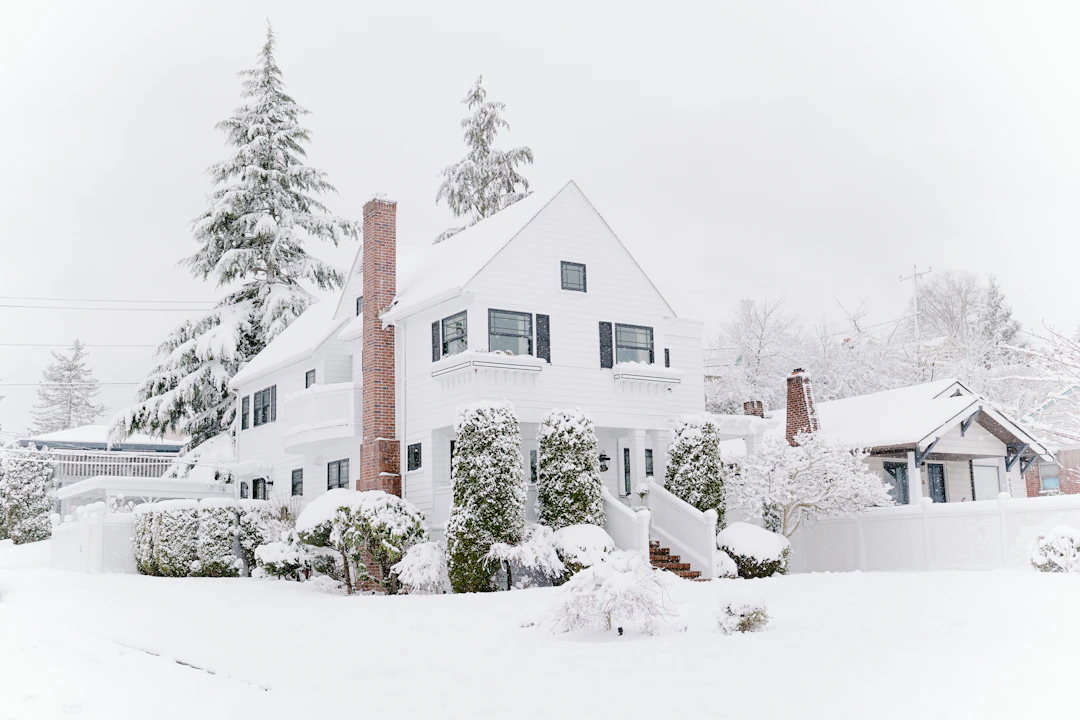
Many homeowners may assume that winter is an unsuitable time for a home inspection due to snow coverage. While covering up some issues, cold temperatures can also reveal critical problems:
Pipes: Inspectors should check for insulation quality and any signs of potential freezing issues.
Roof Issues: Inspectors may notice sagging or leaks that become visible when there’s snow accumulation.
Choosing the Right Inspector
When preparing for your home inspection, searching for a qualified home inspector near me who understands the local climate can be invaluable. A seasoned inspector will be well-aware of weather-related issues commonly found in your area.
If you want to maximize your home inspection experience, consider these essential questions to ask your home inspector to ensure they are equipped to handle weather-related concerns.
Common Weather-Induced Inspection Issues
While each season presents unique challenges, several weather-induced problems often arise during house inspections:
Mold and Mildew: High humidity, especially in summer, can create perfect conditions for mold growth. An inspector should actively check for signs of moisture.
Ice Dams: During winter months, ice dams can form on the roof's edge, leading to significant water damage if not treated properly.
Foundation Problems: Excess water from storms or melting snow can compromise a house's foundation, leading to cracks and structural issues over time.
Roofing Issues: Storms can damage roofs, making it essential for a thorough inspection after severe weather events.
Preparation is Key
As a homeowner, you can take steps to prepare for a home inspection, particularly in relation to weather conditions:
Schedule Inspections Wisely: If possible, schedule your home inspections during favorable weather conditions. This can lead to a more thorough evaluation of your home.
Perform Seasonal Maintenance: Regular upkeep can prevent weather-related issues from becoming significant problems. For more insights, refer to our seasonal maintenance checklist.
Address Existing Issues: If you’re aware of any existing leaks or structural concerns, make sure they’re addressed before the inspection, helping to assure a smoother experience.
Protecting Your Investment
Your home is one of your most significant investments, and understanding the climate's role in home inspections is essential to protect it. A thorough inspection not only reveals immediate problems but can also help anticipate future issues guided by weather behaviors.
Utilizing insights from a reliable home inspector can save you money in the long run. For example, understanding how home inspections can unveil existing issues can help you negotiate better on your property purchase or even reduce your insurance premiums. You deserve to have peace of mind as you navigate homeownership.
Sailing Smoothly into Your Next Home Inspection
The weather undeniably plays a significant role in the home inspection process, influencing what inspectors can identify and the potential problems a buyer might face down the line. By being aware of how weather can impact these evaluations and taking proactive steps to prepare, you will equip yourself with knowledge to face the home buying or selling process confidently. Remember, a well-informed homeowner is empowered to protect their investment!
With careful attention to seasonal changes, selecting a knowledgeable home inspector, and diligent maintenance, you're not just getting a house – you’re ensuring a home filled with safety and longevity.
FAQs
How does weather affect home inspections?
Weather can significantly influence home inspections, as different conditions can expose or hide issues such as structural problems, moisture, and material expansion or contraction.
What should I look for during a spring home inspection?
During a spring inspection, be mindful of rooftop damage from melting snow and potential water pooling around the foundation due to heavy rains.
Is it advisable to have home inspections in winter?
Yes, winter inspections can reveal critical issues like pipe insulation failures and roof sagging, even though some problems may be hidden under snow.
What kind of issues can humidity cause during home inspections?
High humidity, especially in summer, can create conditions for mold growth, so inspectors should actively check for moisture signs.
How can I prepare my home for a weather-related inspection?
Schedule inspections during favorable weather conditions, perform seasonal maintenance, and address any known issues beforehand to ensure a thorough evaluation.


Comments